 admin
admin 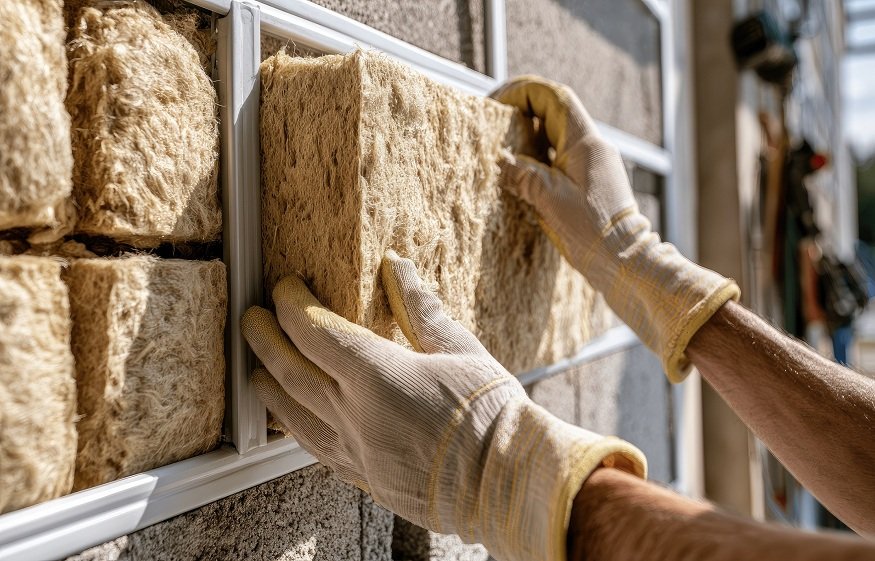
Walls hold up ceilings and display family photos, sure. But right now, this very second, those vertical surfaces surrounding you wage war against forces trying to ruin your day. Heat prowls outside in July, hunting for ways inside. Cold stalks your warmth when January winds howl. Water gets in through tiny cracks. The barriers between your rooms handle more action than a superhero movie, yet nobody gives them credit.
The Hidden Science Behind Every Wall
Physics never sleeps. Hot air chases cold air like a dog after squirrels. Your AC cools in summer while heat tries to penetrate. Your furnace works against winter’s chill to keep your home warm. Naked studs and drywall fight about as well as a paper umbrella in a hurricane. The actual muscle hides between those studs where you’ll never see it. Insulation works by trapping air in countless tiny jails. Air hates moving when it’s locked up like that. So heat transfer slows to a pathetic crawl. Simple idea. Genius results.
Read More: Payment Chaos: The Problem No One Wants to Talk About
Water vapor floats around playing ninja, invisible but dangerous. This sneaky moisture slips through cracks smaller than human hair. Then it condenses inside wall cavities like sweat on a cold beer bottle. Mold throws a party. Wood starts rotting. Your walls basically decompose from the inside out unless smart materials block moisture while still letting walls breathe when they need to dry. Sound bounces erratically. Teenage music, the washing machine, or your home office conference call. Vibrations travel through walls like gossip. Effective walls block sound, keeping your business private.
Modern Materials Transform Wall Performance
Foam boards replaced traditional fiberglass insulation long ago. The fiberglass drooped like an old mattress, creating openings that allowed heat to escape easily. Rigid foam stays put forever. No settling. No gaps. Just consistent performance until your great-grandkids renovate.
The best EPS insulation materials emerge from manufacturers like Epsilyte where engineers obsess over getting density and R-values just right. This expanded polystyrene foam laughs at moisture while stopping heat cold. It is installed by contractors in all sorts of structures, from humble beach shacks to towering skyscrapers, due to its effectiveness. It’s incredibly lightweight yet offers exceptional thermal insulation.
Spray foam fills weird spaces where boards throw in the towel. Liquid shoots into cavities then puffs up like bread dough, sealing every crack and void. Air leaks that sucked money from your wallet get plugged permanently. Certain types even make walls stronger, like steroids for your house.
Read More: The Latency Problem Quietly Killing Your Cloud Performance
Composite panels showed up and made traditional builders nervous. One product does what used to take five different materials. Structure, insulation, vapor barrier, all rolled into one. Crews install entire wall sections before lunch. Old-timers grumble but can’t argue with the results.
What This Means for Homeowners
Upgraded walls pay you back like a slot machine hitting jackpot. Your furnace takes more coffee breaks. The AC actually cycles off sometimes in August. Utility companies wonder if your meter broke. Those savings stack up fast enough to fund vacations within a few years. Life inside gets sweeter too. No more freezing near windows in winter. That one room that never cooled properly? Fixed. Street noise stays in the street. You hear your music, not your kid’s video games. Small improvements that make every day more pleasant.
Conclusion
Those vertical surfaces do more heavy lifting than you ever suspected. Modern science turned simple walls into shields against everything nature throws at buildings. Temperature swings, moisture attacks, sound invasions, all get shut down by materials our grandparents couldn’t dream up. Your walls work overtime keeping you comfortable and your wallet happy. Give them some respect next time you walk by. They’ve earned it.