 admin
admin 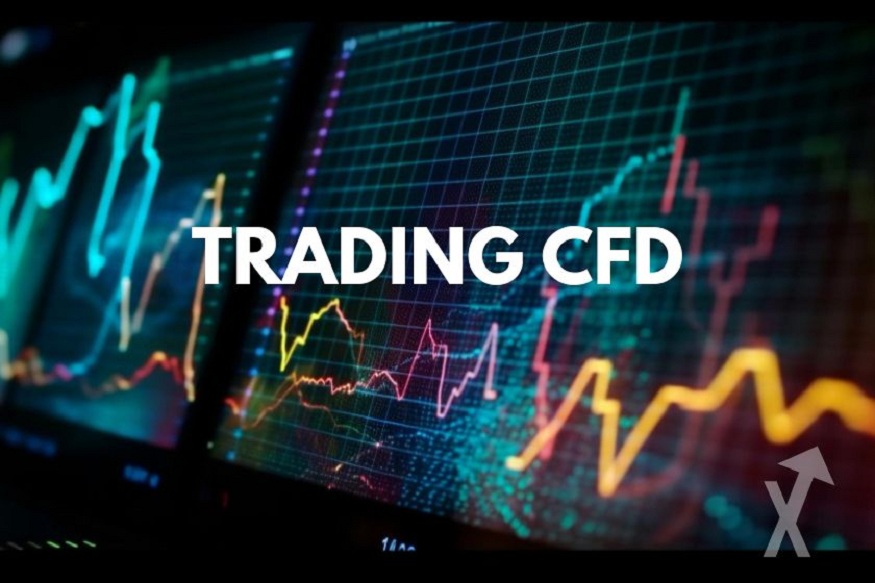
Financial markets have evolved significantly over the past few decades. Modern traders are no longer limited to traditional buy-and-hold strategies or investing only when markets rise. Today, a variety of financial instruments provide flexibility, speed, and the ability to respond to changing market conditions. One of the most widely used tools for this purpose is the Contract for Difference, commonly known as a CFD.
CFDs allow traders to speculate on price movements across global markets without owning the underlying asset. This structure gives traders the ability to profit from both rising and falling markets. By opening either long or short positions, traders can adapt their strategies to different market environments and opportunities. Understanding how CFDs work and how they enable both bullish and bearish trading approaches can help traders navigate modern financial markets more effectively.
Understanding the Basics of CFD Trading
A Contract for Difference is a financial agreement between a trader and a broker to exchange the difference in an asset’s price between the opening and closing of a trade. Rather than purchasing the actual asset, the trader simply speculates on whether the price will move up or down.
This structure allows access to a wide variety of markets, including equities, commodities, indices, currencies, and even cryptocurrencies in some cases. Because the asset itself is not owned, the process of entering and exiting trades can be faster and more flexible than traditional investing.
Read More: Small Details, Strong Impressions: How Custom Coasters Elevate Everyday Branding
Another defining feature of CFDs is the use of leverage. Leverage allows traders to control a larger market position with a smaller initial deposit. While this can amplify potential profits, it also increases the level of risk. Responsible risk management and a clear understanding of leverage are therefore essential when trading CFDs.
Going Long: Profiting from Rising Markets
When traders expect the price of an asset to increase, they open what is known as a long position. Going long means buying a CFD with the expectation that the market value will rise over time. If the price increases as anticipated, the trader can close the position and profit from the difference.
For example, a trader might believe that a major stock index will rise due to strong economic indicators or positive corporate earnings. By opening a long CFD position on that index, they can benefit from the upward movement without purchasing the actual shares within the index.
Long trading strategies are common during periods of economic growth or strong market sentiment. However, successful traders typically combine market research, technical analysis, and risk management to identify the right moments to enter and exit positions.
Going Short: Taking Advantage of Falling Markets
One of the most distinctive advantages of CFDs is the ability to profit from declining markets through short selling. When a trader expects an asset’s price to fall, they can open a short position. This involves selling the CFD first and then buying it back later at a potentially lower price.
Short trading allows market participants to remain active even when markets are experiencing downturns or volatility. For instance, if a trader believes that a commodity price will drop due to oversupply or weakening demand, they can short the CFD and potentially profit from the decline.
This flexibility makes CFDs particularly useful during uncertain economic periods. Rather than sitting on the sidelines during bearish trends, traders can adjust their strategies and continue engaging with the markets.
Read More: The Quiet Material Powering Smarter Packaging and Construction
Access to Major Global Markets
CFDs provide access to a wide range of major global markets through a single trading platform. Traders can speculate on major indices such as those representing the United States, Europe, and Asia, along with commodities like oil and gold or popular currency pairs.
This global reach allows traders to diversify their strategies and respond to events happening across different economies. Market movements can be influenced by central bank decisions, geopolitical developments, or economic data releases, and CFD traders can quickly position themselves in response.
For those interested in learning more about how CFD platforms operate and how global markets can be accessed through them, resources from established brokers can provide useful insights. For example, traders looking to explore available markets and trading tools can Visit ADSS to gain a better understanding of how CFD trading platforms function.
Strategy and Risk Management in CFD Trading
While CFDs provide powerful trading opportunities, success in this space requires careful planning and disciplined execution. Markets can move rapidly, and traders must have clear strategies in place before opening positions.
Technical analysis is often used to identify entry and exit points. By studying price charts, patterns, and indicators, traders attempt to predict potential market movements. Fundamental analysis also plays an important role, particularly when trading major indices, commodities, or currencies influenced by global economic events.
Conclusion
Contracts for Difference have become a significant part of modern trading because they allow participants to engage with markets flexibly and dynamically. By enabling both long and short positions, CFDs allow traders to pursue opportunities whether markets are climbing upward or moving downward.
For traders who take the time to understand market behaviour, develop clear strategies, and apply careful risk management, CFDs can serve as a versatile instrument within a broader trading approach. With the right preparation and ongoing learning, traders can use these tools to participate confidently in the constantly evolving world of global financial markets.